Surging US consumer inflation hits three-year high in key challenge for Trump / Photo: © AFP

 London
 21 °C
21 °C
 Manchester
18 °C
Manchester
18 °C
 Glasgow
21 °C
Glasgow
21 °C
 Dublin
 17 °C
17 °C
 Belfast
17 °C
Belfast
17 °C
 Washington
 22 °C
22 °C
 Denver
 23 °C
23 °C
 Atlanta
26 °C
Atlanta
26 °C
 Dallas
31 °C
Dallas
31 °C
 Houston Texas
29 °C
Houston Texas
29 °C
 New Orleans
30 °C
New Orleans
30 °C
 El Paso
27 °C
El Paso
27 °C
 Phoenix
32 °C
Phoenix
32 °C
 Los Angeles
 21 °C
San Diego
21 °C
San Francisco
14 °C
Chicago
22 °C
Minneapolis
21 °C
Seattle
15 °C
Portland
18 °C
Salt Lake City
26 °C
Las Vegas
31 °C
Miami
31 °C
Jacksonville
27 °C
San Antonio
27 °C
Bermuda
29 °C
Nassau
21 °C
Iqaluit
10 °C
Yellowknife
9 °C
Anchorage
21 °C
San Diego
21 °C
San Francisco
14 °C
Chicago
22 °C
Minneapolis
21 °C
Seattle
15 °C
Portland
18 °C
Salt Lake City
26 °C
Las Vegas
31 °C
Miami
31 °C
Jacksonville
27 °C
San Antonio
27 °C
Bermuda
29 °C
Nassau
21 °C
Iqaluit
10 °C
Yellowknife
9 °C
Anchorage
 12 °C
Fairbanks
14 °C
Barrow
4 °C
Calgary
12 °C
Edmonton
23 °C
Winnipeg
17 °C
Goose Bay
20 °C
Halifax
19 °C
Boston
20 °C
Ottawa
20 °C
Toronto
21 °C
Detroit
23 °C
Cleveland
22 °C
New York
22 °C
Baltimore
22 °C
Philadelphia
22 °C
Nuuk (Godthåb)
10 °C
Hong Kong
28 °C
Singapore
12 °C
Fairbanks
14 °C
Barrow
4 °C
Calgary
12 °C
Edmonton
23 °C
Winnipeg
17 °C
Goose Bay
20 °C
Halifax
19 °C
Boston
20 °C
Ottawa
20 °C
Toronto
21 °C
Detroit
23 °C
Cleveland
22 °C
New York
22 °C
Baltimore
22 °C
Philadelphia
22 °C
Nuuk (Godthåb)
10 °C
Hong Kong
28 °C
Singapore
 29 °C
Melbourne
28 °C
Canberra
7 °C
Adelaide
12 °C
Darwin
26 °C
Perth
15 °C
Fort Worth
30 °C
Honolulu
24 °C
Sydney
14 °C
Johannesburg
26 °C
Dubai
39 °C
Mumbai
29 °C
Zürich
17 °C
Tokyo
29 °C
Melbourne
28 °C
Canberra
7 °C
Adelaide
12 °C
Darwin
26 °C
Perth
15 °C
Fort Worth
30 °C
Honolulu
24 °C
Sydney
14 °C
Johannesburg
26 °C
Dubai
39 °C
Mumbai
29 °C
Zürich
17 °C
Tokyo
 27 °C
Seoul
26 °C
Delhi
34 °C
Beijing
27 °C
Seoul
26 °C
Delhi
34 °C
Beijing
 28 °C
Riyadh
42 °C
Prague
26 °C
Pennsylvania
20 °C
Valletta
32 °C
Manama
36 °C
Warsaw
24 °C
Stockholm
17 °C
28 °C
Riyadh
42 °C
Prague
26 °C
Pennsylvania
20 °C
Valletta
32 °C
Manama
36 °C
Warsaw
24 °C
Stockholm
17 °C
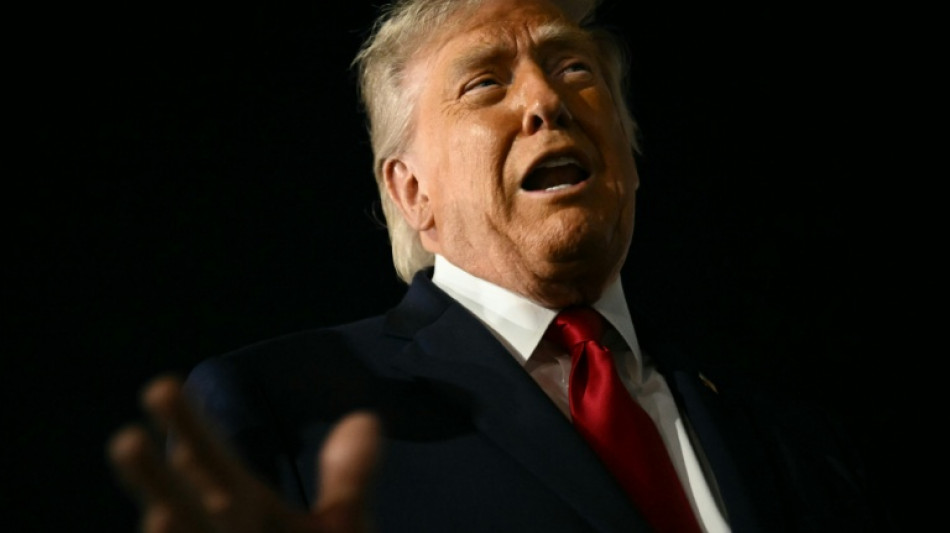
US consumer inflation surged to a fresh three-year high in May, with soaring energy prices caused by US President Donald Trump's Iran war posing a key challenge to Republicans ahead of midterm elections.
The consumer price index (CPI) rose 4.2 percent year-on-year, up from April's 3.8 percent figure, the US Bureau of Labor Statistics said on Wednesday.
It was the highest reading since April 2023, according to official data, but in line with analyst expectations.
The US-Israel war against Iran, launched in late February, has sent energy prices skyrocketing after Tehran retaliated by virtually closing the vital Strait of Hormuz, through which roughly a fifth of global oil and gas normally pass.
Trump has insisted that the price shock will be temporary and that a peace deal will be signed soon, but the soaring costs are a key issue for voters as they head to midterm elections in November.
Trump's Republican Party will be aiming to maintain their control of both houses of Congress, but will face a stiff test as high prices batter US households.
Should Democratic lawmakers retake one or both houses, it will limit Trump's ability to bulldoze policies through Congress as he has done throughout his second term.
- 'Wall of worry' -
May's consumer inflation data showed energy prices had risen 23.5 percent over the same time last year, with gasoline rising by 40.5 percent.
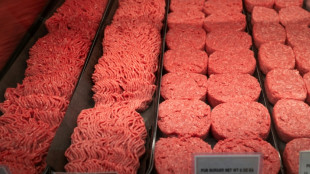
Grocery prices also rose significantly for the second month in a row, up 2.7 percent over a year ago.
Other prices to increase over the month included medical care, personal care, airline fares and recreation.
Americans have been dealing with years of higher-than-expected prices, with inflation continuing to remain elevated long after the pandemic.
Core CPI inflation, which excludes volatile food and energy prices, came in at 2.9 percent in May, up from 2.8 percent the month before.
The US Federal Reserve has a long-term, two-percent target for inflation, and the central bank's key interest rate-setting committee will meet next week.
Markets expect them to keep rates steady at this meeting, but are now pricing in rate hikes for later in the year, spooking equity investors.
Before the war, markets had priced in interest rate cuts for later in the year, with expectations that inflation fueled by Trump's tariff policy would begin to fade.
The war, however, has complicated the outlook, with more Fed policymakers saying they were concerned about rising inflation, which the central bank would typically address by raising rates.
The Fed's preferred inflation gauge, the Personal Consumption Expenditures (PCE) prices index, also hit a three-year high in its last reading.
"The Fed will be in no position to cut rates if this continues," said Chris Zaccarelli, chief investment officer for Northlight Asset Management.
"The stock market has been climbing a wall of worry and has been able to rally on stronger earnings and stable interest rates, but a rising rate environment is another thing altogether."
S.Yang--SG