2028 Volvo XC60 Long-Range PHEV First Drive Review

 London
 3 °C

 Manchester
 3 °C
 Glasgow
 1 °C
 Dublin
 6 °C
 Belfast
 6 °C
 Washington
11 °C
 Denver
6 °C
 Atlanta
4 °C
 Dallas
 3 °C
 Houston Texas
8 °C
 New Orleans
 6 °C
 El Paso
3 °C
 Phoenix
16 °C
 Los Angeles
19 °C
San Diego
14 °C
San Francisco
 13 °C
Chicago
 5 °C
Minneapolis
-3 °C
Seattle
10 °C
Portland
12 °C
Salt Lake City
4 °C
Las Vegas
10 °C
Miami
18 °C
Jacksonville
8 °C
San Antonio
6 °C
Bermuda
25 °C
Nassau
13 °C
Iqaluit
 -16 °C
Yellowknife
-10 °C
Anchorage
-4 °C
Fairbanks
-13 °C
Barrow
-7 °C
Calgary
1 °C
Edmonton
1 °C
Winnipeg
-1 °C
Goose Bay
1 °C
Halifax
12 °C
Boston
10 °C
Ottawa
1 °C
Toronto
3 °C
Detroit
2 °C
Cleveland
5 °C
New York
13 °C
Baltimore
12 °C
Philadelphia
13 °C
Nuuk (Godthåb)
-7 °C
Hong Kong
25 °C
Singapore
28 °C
Melbourne
14 °C
Canberra
15 °C
Adelaide
24 °C
Darwin
33 °C
Perth
23 °C
Fort Worth
3 °C
Honolulu
19 °C
Sydney
22 °C
Johannesburg
24 °C
Dubai
30 °C
Mumbai
34 °C
Zürich
0 °C
Tokyo
15 °C
Seoul
12 °C
Delhi
28 °C
Beijing
7 °C
Riyadh
25 °C
Prague
-1 °C
Pennsylvania
10 °C
Valletta
 19 °C
Manama
27 °C
Warsaw
-1 °C
Stockholm
-2 °C
Volvo has expanded the electric capabilities of its best-selling midsize SUV with the 2028 XC60 long-range plug-in hybrid. During initial testing in Scandinavia, the vehicle demonstrated a segment-leading 126 kilometers of pure electric range, offering a smooth, quiet driving experience that transitions to a mild-hybrid system once the battery depletes. The update addresses common consumer concerns regarding range anxiety while maintaining the brand's signature practicality and understated luxury.
One of the primary obstacles preventing consumers from fully transitioning to electric vehicles remains range anxiety. While installing a home charger mitigates daily charging needs, it does not resolve the logistical challenges of locating functioning fast-charging stations during long-distance travel. For drivers who remain undecided about abandoning internal combustion engines entirely, plug-in hybrid electric vehicles (PHEVs) offer a transitional solution. Volvo is addressing this market segment with the 2028 XC60 long-range PHEV, which significantly expands its electric driving capabilities compared to previous iterations.
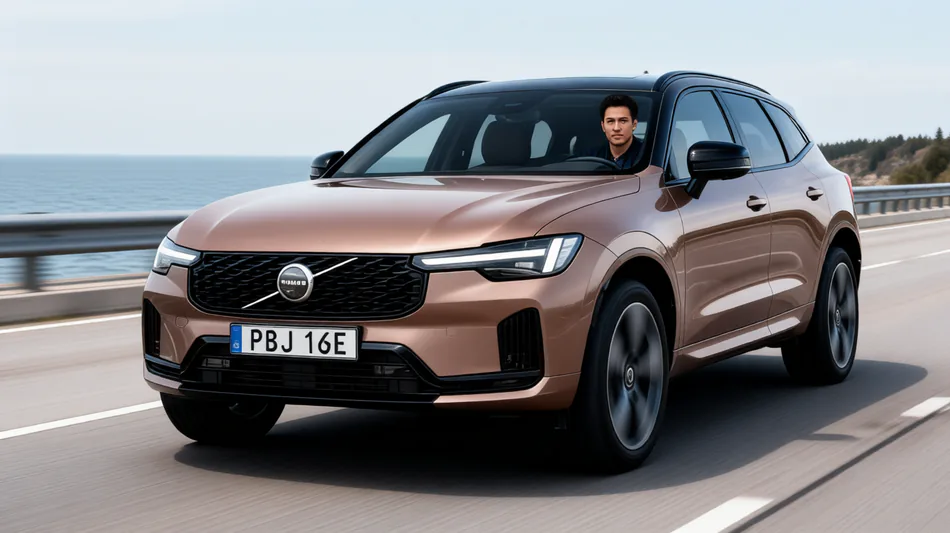
The new model boasts an estimated 126 kilometers of pure electric range, more than doubling the capability of the standard non-long-range variant. This update is part of a broader refresh for the third-generation XC60, which introduces several technological and aesthetic changes. Key interior updates include a larger 11.2-inch vertical touchscreen infotainment system and the integration of Google Gemini artificial intelligence. Exterior modifications feature new 20-inch and 21-inch alloy wheel designs and a new metallic paint option called Heather Bronze. The vehicle also incorporates updated safety technologies and a 360-degree 3D view camera system.
Initial testing of the long-range XC60 took place in Denmark and Sweden, alongside the larger XC90 long-range PHEV. Volvo confirmed that the 2027 model year will be the final year for the shorter-range variant. Moving forward, the XC60 lineup will consist exclusively of the long-range model. This strategic shift suggests that buyers seeking lower upfront costs may find better value in the 2026 or 2027 models before they are discontinued.
Pricing for the Canadian market has not yet been officially released. The vehicle is currently in production at Volvo’s facility in Sweden for export to Canada and is expected to arrive in dealerships in early 2027. Based on current pricing structures, the 2026 XC60 PHEV starts at $77,500, while the 2027 model begins at $84,000. Industry observers anticipate that the new long-range variant will carry a premium over these figures due to its larger battery capacity and position within Volvo’s higher trim levels.
The powertrain architecture of the XC60 PHEV relies on a combination of electric and internal combustion systems. Volvo claims a segment-leading 126 kilometers of EV range. Once the battery is depleted, the vehicle seamlessly transitions to a mild-hybrid system powered by a turbocharged 2.0-liter four-cylinder engine. This transition results in a noticeable change in driving dynamics. During testing, the vehicle began with 46 kilometers of remaining electric range. Over a 60-kilometer journey involving Swedish local roads and a tunnel crossing into Denmark, the drive remained smooth until the electric range was exhausted.
The actual electric range achieved during testing can vary based on driving habits and environmental conditions. The test took place in temperatures hovering around 10 degrees Celsius. Volvo offers one-pedal driving for those who prefer maximum regenerative braking, but alternative regenerative options are available for drivers who find the one-pedal mode uncomfortable. In pure EV mode, the XC60 provides a smooth and quiet ride, making it suitable for extended periods of urban or suburban driving. Acceleration in this mode is responsive, allowing for easy overtaking on highways.
When operating in hybrid mode, either due to battery depletion or manual selection to conserve charge, the driving experience changes. The vehicle becomes slightly less responsive, with increased engine noise and a perception of greater effort during acceleration. While it can still pick up speed quickly, the difference in refinement between EV and hybrid modes is distinct. Drivers who frequently utilize the electric mode may find the hybrid mode’s performance lacking by comparison. However, at steady highway cruising speeds, the smoothness of both modes converges, making the distinction less apparent.
The XC60 handles well on open highways and tight urban streets, aided by its surround camera views which simplify parking in confined spaces. Volvo estimates a total driving range of 950 kilometers when combining a full battery charge with a full tank of gasoline. During the initial test drive, neither the electric nor the gasoline range was fully exhausted, indicating strong potential for long-distance travel without frequent refueling.
The heart of the long-range update is a new 41.2-kilowatt-hour battery pack. Volvo states that this battery can recharge from empty to full in approximately five to six hours using a Level 2 charger. The rear electric motor has been upgraded to produce 174 horsepower on its own. When combined with the internal combustion engine, the total system output reaches 455 horsepower and 560 pound-feet of torque.
Despite the impressive electric range, the hybrid powertrain’s fuel efficiency is moderate. The vehicle is rated at an average of 8.1 liters per 100 kilometers for combined highway and city driving. While this figure is not poor, it requires premium gasoline. Owners are expected to save significant money by maximizing the use of the electric range, thereby reducing reliance on fuel. The practicality of this approach depends on charging habits; research indicates that many PHEV owners rarely charge their vehicles, negating potential savings.
Interior space remains a priority for Volvo. The larger battery is integrated into the vehicle’s floor, ensuring that rear passenger comfort and cargo capacity are not compromised. The trunk offers ample usable space for daily needs. The driver’s seat is noted for its exceptional comfort, particularly for shorter drivers, contributing to an overall positive driving environment.
The XC60 targets a specific demographic: buyers who desire premium luxury and modern technology without the complexity or range limitations of fully electric vehicles. It avoids the excessive reliance on touchscreen interfaces seen in some competitors, such as the fully electric EX60. Instead, it offers a balanced approach with wireless Android Auto connectivity and intuitive controls. This simplicity appeals to older generations while remaining accessible to younger buyers who value practicality.
Future testing will evaluate the XC60’s performance in harsh winter conditions, including freezing temperatures and snow. These tests will provide further insight into real-world electric range durability and the practicality of daily charging routines. For now, the 2028 XC60 long-range PHEV stands as a compelling option for those seeking to enter the electric vehicle market without fully committing to battery-only propulsion.
Key strengths include its segment-leading electric range, smooth ride quality in EV mode, and generous interior and cargo space. Potential drawbacks involve its higher price point as a top-tier trim, increased noise in hybrid mode, and fuel efficiency that lags behind some direct competitors.
K.Im--SG