Land Rover Defender EV Confirmed for 2027; Mercedes 'Baby G' Spied Testing

 London
 4 °C

 Manchester
 1 °C
 Glasgow
1 °C
 Dublin
 6 °C
 Belfast
1 °C
 Washington
12 °C
 Denver
10 °C
 Atlanta
18 °C
 Dallas
19 °C
 Houston Texas
20 °C
 New Orleans
20 °C
 El Paso
19 °C
 Phoenix
18 °C
 Los Angeles
16 °C
San Diego
17 °C
San Francisco
 12 °C
Chicago
17 °C
Minneapolis
17 °C
Seattle
5 °C
Portland
6 °C
Salt Lake City
 2 °C
Las Vegas
13 °C
Miami
24 °C
Jacksonville
19 °C
San Antonio
18 °C
Bermuda
22 °C
Nassau
13 °C
Iqaluit
-15 °C
Yellowknife
-16 °C
Anchorage
-1 °C
Fairbanks
 -7 °C
Barrow
 -3 °C
Calgary
-4 °C
Edmonton
13 °C
Winnipeg
5 °C
Goose Bay
7 °C
Halifax
8 °C
Boston
10 °C
Ottawa
6 °C
Toronto
9 °C
Detroit
10 °C
Cleveland
10 °C
New York
15 °C
Baltimore
12 °C
Philadelphia
13 °C
Nuuk (Godthåb)
-5 °C
Hong Kong
16 °C
Singapore
 28 °C
Melbourne
22 °C
Canberra
 23 °C
Adelaide
 25 °C
Darwin
32 °C
Perth
20 °C
Fort Worth
19 °C
Honolulu
 27 °C
Sydney
29 °C
Johannesburg
17 °C
Dubai
24 °C
Mumbai
22 °C
Zürich
8 °C
Tokyo
12 °C
Seoul
0 °C
Delhi
16 °C
Beijing
1 °C
Riyadh
19 °C
Prague
5 °C
Pennsylvania
10 °C
Valletta
18 °C
Manama
24 °C
Warsaw
-1 °C
Stockholm
0 °C
Land Rover has confirmed that production of a new, smaller all-electric Defender will commence at its Halewood facility in the United Kingdom by the end of next year. The announcement coincides with reports that Mercedes-Benz is preparing to launch a compact electric version of its iconic G-Wagen, signaling a shift toward smaller luxury electric vehicles from major premium brands.
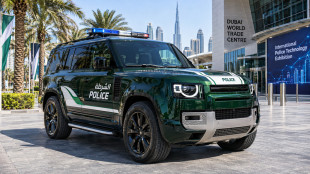
Land Rover has officially confirmed that production of a new, smaller all-electric Defender will begin at its Halewood facility in the United Kingdom by the end of next year. The announcement marks a significant step in Jaguar Land Rover’s (JLR) electrification strategy, introducing a compact model designed to slot below the existing short-wheelbase Defender 90.
The new electric vehicle, which has been rumored under the names "Defender Sport" and "Defender 80," will be built on JLR’s Electrified Modular Architecture. This 800-volt platform is the same foundation used for the upcoming all-electric Range Rover GT. According to reports from the U.K. publication Autocar, which had access to the company’s quarterly earnings call, the architecture supports charging speeds of up to 350 kW when connected to compatible Level 3 DC fast-chargers.
JLR CEO Adrian Mardell provided confirmation during the earnings call, clarifying that the manufacturing timeline is set for late 2026. The new model aims to fill a specific gap in the brand’s lineup, offering a more accessible entry point into the Defender family while leveraging advanced electric vehicle technology previously reserved for larger luxury SUVs.
Industry observers note that this development aligns with a broader trend among luxury automakers to produce electric vehicles that are physically smaller than their internal combustion engine counterparts. While the full-size G-Wagen and Defender remain iconic symbols of rugged capability, market dynamics are pushing manufacturers toward more compact forms to address urban driving constraints and charging infrastructure limitations.
In a parallel development, Mercedes-Benz is preparing its own entry into this segment with a compact electric SUV dubbed the "Baby G." The vehicle has been spotted testing in camouflage by automotive journalists, revealing design cues that borrow heavily from the brand’s iconic G-Wagen. Despite its smaller footprint, the test mule retains the boxy aesthetic and distinctive styling elements that define the G-Class lineage.
Mercedes-Benz CEO Ola Källenius has indicated that the "Baby G" is expected to arrive in less than 24 months. This timeline suggests a launch window around 2026 or early 2027, placing it in direct competition with Land Rover’s new compact electric offering. Reports suggest that Mercedes will offer multiple powertrain options for the vehicle, including both internal combustion and all-electric variants.
The emergence of these two models highlights a strategic pivot in the premium automotive sector. As traditional SUV markets mature, manufacturers are increasingly focusing on specialized, smaller formats that retain brand identity while adapting to electric propulsion. The Defender EV will utilize the same core architecture as the Range Rover GT, suggesting shared technological benefits such as improved efficiency and faster charging capabilities.
While the Land Rover Defender EV is confirmed for production next year, the Mercedes "Baby G" remains in the testing phase. Industry analysts note that while some observers had anticipated a quicker debut for Mercedes’ compact SUV, the current timeline reflects the complexities of developing new electric platforms. Both brands are now racing to establish dominance in the growing market for compact luxury electric vehicles.
The confirmation of the Defender EV’s production start date provides concrete details on JLR’s roadmap, moving beyond speculation to a defined manufacturing schedule. The Halewood plant, which currently produces the standard Defender, will adapt its operations to accommodate the new electric model. This transition underscores the company’s commitment to electrifying its core models while maintaining its heritage of off-road capability.
As these vehicles move closer to market entry, competition in the compact luxury SUV segment is expected to intensify. The Defender EV and Mercedes "Baby G" will compete not only with each other but also with established electric offerings from other premium brands. Their success will depend on balancing brand authenticity with the practical demands of electric mobility.
The upcoming launch of these models represents a notable shift in the automotive landscape, where iconic designs are being reimagined for an electric future. For Land Rover, the smaller Defender EV offers a way to expand its customer base without diluting the brand’s rugged image. For Mercedes, the "Baby G" provides an opportunity to make its most recognizable design more accessible and environmentally compliant.
Both companies are navigating a complex transition period, balancing consumer expectations for traditional performance with the realities of electric vehicle adoption. The confirmed timeline for the Defender EV and the spy shots of the Mercedes prototype provide tangible evidence that this segment is rapidly evolving from concept to reality.
P.Yeo--SG