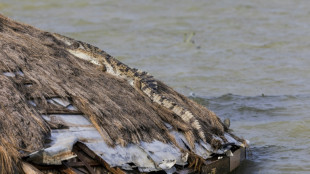
Cyclone kills 20 in Madagascar as 2nd-largest city '75% destroyed' / Photo: © AFP

 London
 15 °C
15 °C

 Manchester
 13 °C
13 °C
 Glasgow
15 °C
Glasgow
15 °C
 Dublin
15 °C
Dublin
15 °C
 Belfast
 14 °C
14 °C
 Washington
 23 °C
23 °C
 Denver
 22 °C
22 °C
 Atlanta
22 °C
Atlanta
22 °C
 Dallas
30 °C
Dallas
30 °C
 Houston Texas
28 °C
Houston Texas
28 °C
 New Orleans
26 °C
New Orleans
26 °C
 El Paso
28 °C
El Paso
28 °C
 Phoenix
34 °C
Phoenix
34 °C
 Los Angeles
21 °C
San Diego
21 °C
San Francisco
14 °C
Chicago
22 °C
Minneapolis
21 °C
Seattle
19 °C
Portland
22 °C
Salt Lake City
24 °C
Las Vegas
35 °C
Miami
26 °C
Jacksonville
25 °C
San Antonio
27 °C
Bermuda
26 °C
Nassau
26 °C
Iqaluit
5 °C
Yellowknife
14 °C
Anchorage
15 °C
Fairbanks
15 °C
Barrow
9 °C
Calgary
12 °C
Edmonton
23 °C
Winnipeg
14 °C
Goose Bay
22 °C
Halifax
Los Angeles
21 °C
San Diego
21 °C
San Francisco
14 °C
Chicago
22 °C
Minneapolis
21 °C
Seattle
19 °C
Portland
22 °C
Salt Lake City
24 °C
Las Vegas
35 °C
Miami
26 °C
Jacksonville
25 °C
San Antonio
27 °C
Bermuda
26 °C
Nassau
26 °C
Iqaluit
5 °C
Yellowknife
14 °C
Anchorage
15 °C
Fairbanks
15 °C
Barrow
9 °C
Calgary
12 °C
Edmonton
23 °C
Winnipeg
14 °C
Goose Bay
22 °C
Halifax
 24 °C
Boston
25 °C
Ottawa
22 °C
Toronto
21 °C
Detroit
23 °C
Cleveland
24 °C
Boston
25 °C
Ottawa
22 °C
Toronto
21 °C
Detroit
23 °C
Cleveland
 22 °C
New York
27 °C
Baltimore
24 °C
Philadelphia
25 °C
Nuuk (Godthåb)
8 °C
Hong Kong
22 °C
New York
27 °C
Baltimore
24 °C
Philadelphia
25 °C
Nuuk (Godthåb)
8 °C
Hong Kong
 33 °C
Singapore
33 °C
Melbourne
26 °C
Canberra
12 °C
Adelaide
18 °C
Darwin
30 °C
Perth
19 °C
Fort Worth
29 °C
Honolulu
25 °C
Sydney
16 °C
Johannesburg
15 °C
Dubai
38 °C
Mumbai
33 °C
Singapore
33 °C
Melbourne
26 °C
Canberra
12 °C
Adelaide
18 °C
Darwin
30 °C
Perth
19 °C
Fort Worth
29 °C
Honolulu
25 °C
Sydney
16 °C
Johannesburg
15 °C
Dubai
38 °C
Mumbai
 29 °C
Zürich
21 °C
Tokyo
32 °C
Seoul
38 °C
Delhi
30 °C
Beijing
35 °C
Riyadh
41 °C
Prague
21 °C
Pennsylvania
23 °C
Valletta
33 °C
Manama
37 °C
Warsaw
19 °C
Stockholm
17 °C
29 °C
Zürich
21 °C
Tokyo
32 °C
Seoul
38 °C
Delhi
30 °C
Beijing
35 °C
Riyadh
41 °C
Prague
21 °C
Pennsylvania
23 °C
Valletta
33 °C
Manama
37 °C
Warsaw
19 °C
Stockholm
17 °C
A cyclone packing violent winds killed at least 20 people as it struck Madagascar, toppling houses and causing major flooding, the Indian Ocean island's disaster authority said Wednesday.
Cyclone Gezani made landfall on Tuesday, slamming into the country's second-largest city, Toamasina, with winds reaching 250 kilometres (155 miles) per hour.
The National Office for Risk and Disaster Management (BNRGC) said it had recorded 20 deaths, many after houses had collapsed.
Fifteen people were missing and at least 33 had been hurt, it said, updating earlier tolls.
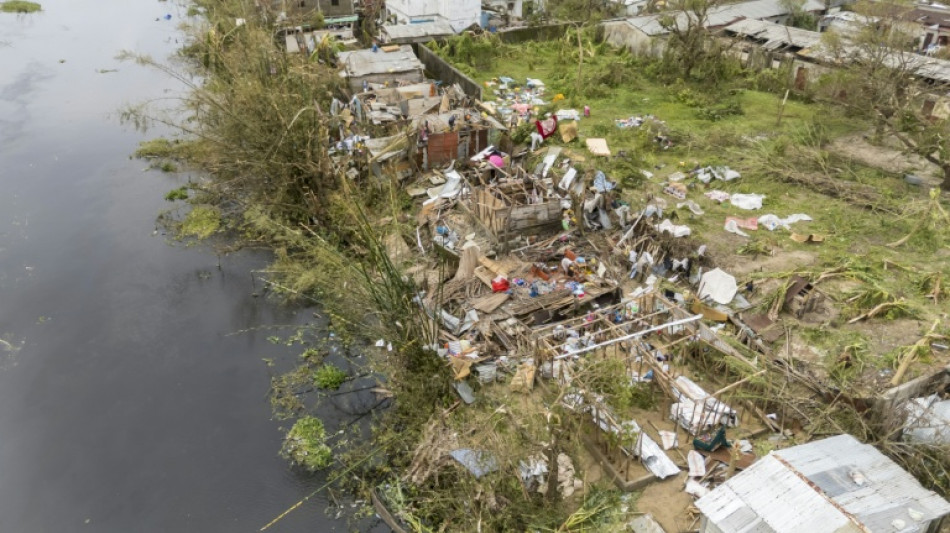
"What happened is a disaster: nearly 75 percent of the city of Toamasina was destroyed," said the country's new leader, Colonel Michael Randrianirina, who had travelled to Toamasina ahead of the cyclone's landfall to support residents.
"The current situation exceeds Madagascar's capabilities alone," said Randrianirina, who seized power in October, calling on "international partners and donors" to support the impoverished island.
Drone footage shared by the BNRGC on social media showed major flooding in the east coast city of 400,000 people, about 220 km northeast of the capital Antananarivo, with residents wading through water and roofs ripped off buildings.
The city appeared battered, its streets littered with trees uprooted by the force of the cyclone.
The storm had also caused carnage in the Atsinanana region surrounding the city, the authority said, adding that post-disaster assessments were still underway.
"It's total chaos: 90 percent of house roofs have been blown off, entirely or in part," said the head of disaster management at the Action Against Hunger humanitarian group, Rija Randrianarisoa.
"The roads are completely inaccessible because of trees on the ground, sheet metal," he told AFP.
- 'Monstrous' -
The CMRS cyclone forecaster on France's Reunion island confirmed Tuesday that Toamasina had been "directly hit by the most intense part" of the storm.
The cyclone's landfall was likely one of the most intense recorded in the region during the satellite era, rivalling Geralda in February 1994, it said. That storm left at least 200 dead and affected half a million more.
A Toamasina resident told AFP by telephone late Tuesday that the winds had collapsed solid walls. "It's monstrous," the resident added.
Commercial flights to Toamasina airport were suspended except for humanitarian and military flights, airport management told AFP.
Fifteen members of the army's civil protection unit were dispatched to assist with rescue operations, authorities announced.
The cyclone weakened after landfall but continued to sweep across the island, posing the risk of flooding despite being downgraded to a tropical storm.
It is forecast to return to cyclone status as it reaches the Mozambique Channel, according to the CMRS, and could from Friday evening strike southern Mozambique, which has already faced devastating flooding since the beginning of the year.
Besides Geralda in 1994, Cyclone Gretelle, which killed 152 people and displaced 60,000 in 1997, and Gafilo, which left 241 dead and affected more than 300,000 others, have also been particularly deadly.
More than 70 percent of houses in Madagascar are built from precarious materials such as clay, branches or foliage, according to the national statistical institute.
Cyclone season in the southwest Indian Ocean typically lasts from November to April and sees around a dozen storms each year.
F.Cha--SG