Firefighters warn of 'hectic' Australian bushfires / Photo: © CFA WANDONG FIRE BRIGADE/AFP

 London
 15 °C
15 °C

 Manchester
 13 °C
13 °C
 Glasgow
15 °C
Glasgow
15 °C
 Dublin
15 °C
Dublin
15 °C
 Belfast
 14 °C
14 °C
 Washington
 23 °C
23 °C
 Denver
 22 °C
22 °C
 Atlanta
22 °C
Atlanta
22 °C
 Dallas
30 °C
Dallas
30 °C
 Houston Texas
28 °C
Houston Texas
28 °C
 New Orleans
26 °C
New Orleans
26 °C
 El Paso
28 °C
El Paso
28 °C
 Phoenix
34 °C
Phoenix
34 °C
 Los Angeles
21 °C
San Diego
21 °C
San Francisco
14 °C
Chicago
22 °C
Minneapolis
21 °C
Seattle
19 °C
Portland
22 °C
Salt Lake City
24 °C
Las Vegas
35 °C
Miami
26 °C
Jacksonville
25 °C
San Antonio
27 °C
Bermuda
26 °C
Nassau
26 °C
Iqaluit
5 °C
Yellowknife
14 °C
Anchorage
15 °C
Fairbanks
15 °C
Barrow
9 °C
Calgary
12 °C
Edmonton
23 °C
Winnipeg
14 °C
Goose Bay
22 °C
Halifax
Los Angeles
21 °C
San Diego
21 °C
San Francisco
14 °C
Chicago
22 °C
Minneapolis
21 °C
Seattle
19 °C
Portland
22 °C
Salt Lake City
24 °C
Las Vegas
35 °C
Miami
26 °C
Jacksonville
25 °C
San Antonio
27 °C
Bermuda
26 °C
Nassau
26 °C
Iqaluit
5 °C
Yellowknife
14 °C
Anchorage
15 °C
Fairbanks
15 °C
Barrow
9 °C
Calgary
12 °C
Edmonton
23 °C
Winnipeg
14 °C
Goose Bay
22 °C
Halifax
 24 °C
Boston
25 °C
Ottawa
22 °C
Toronto
21 °C
Detroit
23 °C
Cleveland
24 °C
Boston
25 °C
Ottawa
22 °C
Toronto
21 °C
Detroit
23 °C
Cleveland
 22 °C
New York
27 °C
Baltimore
24 °C
Philadelphia
25 °C
Nuuk (Godthåb)
8 °C
Hong Kong
22 °C
New York
27 °C
Baltimore
24 °C
Philadelphia
25 °C
Nuuk (Godthåb)
8 °C
Hong Kong
 33 °C
Singapore
33 °C
Melbourne
26 °C
Canberra
12 °C
Adelaide
18 °C
Darwin
30 °C
Perth
19 °C
Fort Worth
29 °C
Honolulu
25 °C
Sydney
16 °C
Johannesburg
15 °C
Dubai
38 °C
Mumbai
33 °C
Singapore
33 °C
Melbourne
26 °C
Canberra
12 °C
Adelaide
18 °C
Darwin
30 °C
Perth
19 °C
Fort Worth
29 °C
Honolulu
25 °C
Sydney
16 °C
Johannesburg
15 °C
Dubai
38 °C
Mumbai
 29 °C
Zürich
21 °C
Tokyo
32 °C
Seoul
38 °C
Delhi
30 °C
Beijing
35 °C
Riyadh
41 °C
Prague
21 °C
Pennsylvania
23 °C
Valletta
33 °C
Manama
37 °C
Warsaw
19 °C
Stockholm
17 °C
29 °C
Zürich
21 °C
Tokyo
32 °C
Seoul
38 °C
Delhi
30 °C
Beijing
35 °C
Riyadh
41 °C
Prague
21 °C
Pennsylvania
23 °C
Valletta
33 °C
Manama
37 °C
Warsaw
19 °C
Stockholm
17 °C
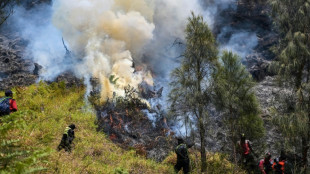
Bushfires threatened dozens of rural towns in southeast Australia on Friday, firefighters said, as hot winds fanned "hectic" conditions in the tinder-dry countryside.
Temperatures are forecast to soar past 40C in parts of the region, creating some of the most dangerous bushfire weather since the "Black Summer" blazes of 2019-2020.
Dozens of rural hamlets in the state of Victoria were urged to evacuate while they still could.
"The conditions were extreme yesterday. They're catastrophic today," said Country Fire Authority boss Jason Heffernan.
"Victorians should brace themselves for more property loss or worse.
"Today is going to be quite a hectic and volatile day for firefighters, fire authorities and communities."
One of the most destructive bushfires has already razed some 28,000 hectares (70,000 acres) near the town of Longwood, about 150 kilometres (90 miles) north of Victoria's capital Melbourne.
"Some properties have lost everything," said local fire captain George Noye.
"They've lost their livelihoods, they've lost their shearing sheds, livestock, just absolutely devastating," he told national broadcaster ABC.
"But thankfully, at the moment, no lives have been lost."
- 'Black Summer' -
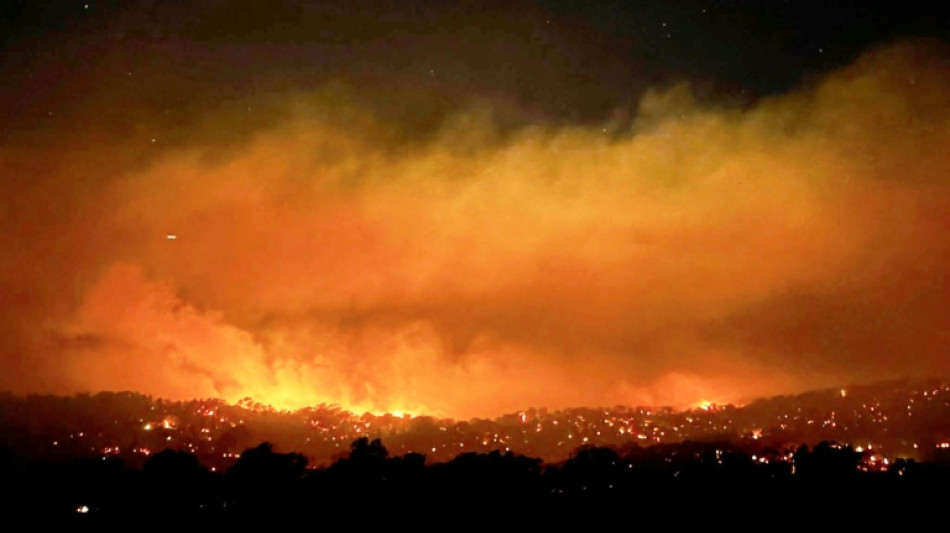
Photos taken earlier this week showed the night sky glowing orange as the fire ripped through bushland.
Another blaze was so intense that it stirred up a localised thunderstorm, fire authorities said.
Millions of people across Australia's two most populous states -- Victoria and New South Wales -- have been warned to remain on high alert, including in major cities Sydney and Melbourne.
Hundreds of baby bats died earlier this week as stifling temperatures hit the state of South Australia, a local wildlife group said.
The "Black Summer" bushfires raged across Australia's eastern seaboard from late 2019 to early 2020, razing millions of hectares, destroying thousands of homes and blanketing cities in noxious smoke.
Australia's climate has warmed by an average of 1.51C since 1910, researchers have found, fuelling increasingly frequent extreme weather patterns over both land and sea.
Australia remains one of the world's largest producers and exporters of gas and coal, two key fossil fuels blamed for global heating.
E.Ma--SG