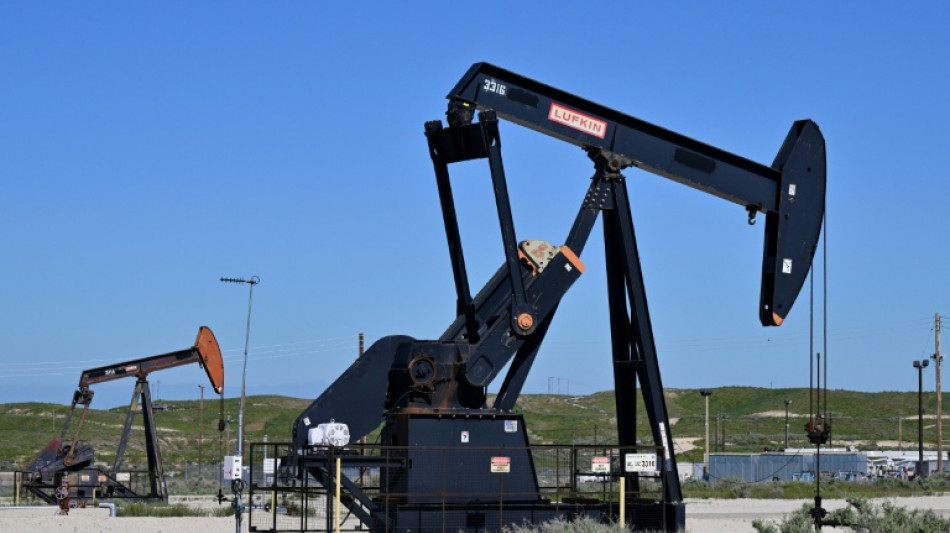
War in the Middle East: economic impact around the world / Photo: © AFP

 London
 14 °C
14 °C
 Manchester
 12 °C
12 °C
 Glasgow
 14 °C
14 °C
 Dublin
 11 °C
11 °C
 Belfast
11 °C
Belfast
11 °C
 Washington
12 °C
Washington
12 °C
 Denver
20 °C
Denver
20 °C
 Atlanta
 15 °C
15 °C
 Dallas
 21 °C
21 °C
 Houston Texas
21 °C
Houston Texas
21 °C
 New Orleans
21 °C
New Orleans
21 °C
 El Paso
 20 °C
20 °C
 Phoenix
33 °C
Phoenix
33 °C
 Los Angeles
 20 °C
San Diego
18 °C
San Francisco
14 °C
Chicago
20 °C
San Diego
18 °C
San Francisco
14 °C
Chicago
 10 °C
Minneapolis
17 °C
Seattle
10 °C
Minneapolis
17 °C
Seattle
 22 °C
Portland
22 °C
Salt Lake City
21 °C
Las Vegas
29 °C
Miami
28 °C
Jacksonville
17 °C
San Antonio
21 °C
Bermuda
21 °C
Nassau
11 °C
Iqaluit
-5 °C
Yellowknife
4 °C
Anchorage
22 °C
Portland
22 °C
Salt Lake City
21 °C
Las Vegas
29 °C
Miami
28 °C
Jacksonville
17 °C
San Antonio
21 °C
Bermuda
21 °C
Nassau
11 °C
Iqaluit
-5 °C
Yellowknife
4 °C
Anchorage
 8 °C
Fairbanks
11 °C
Barrow
-4 °C
Calgary
19 °C
Edmonton
8 °C
Winnipeg
16 °C
Goose Bay
5 °C
Halifax
10 °C
Boston
11 °C
Ottawa
6 °C
Toronto
5 °C
Detroit
7 °C
Cleveland
6 °C
New York
13 °C
Baltimore
12 °C
Philadelphia
13 °C
Nuuk (Godthåb)
2 °C
Hong Kong
28 °C
Singapore
30 °C
Melbourne
24 °C
Canberra
18 °C
Adelaide
17 °C
Darwin
31 °C
Perth
15 °C
Fort Worth
21 °C
Honolulu
26 °C
Sydney
24 °C
Johannesburg
11 °C
Dubai
31 °C
Mumbai
29 °C
Zürich
12 °C
Tokyo
20 °C
Seoul
13 °C
Delhi
25 °C
Beijing
17 °C
Riyadh
27 °C
Prague
12 °C
Pennsylvania
9 °C
Valletta
15 °C
Manama
29 °C
Warsaw
13 °C
Stockholm
14 °C
8 °C
Fairbanks
11 °C
Barrow
-4 °C
Calgary
19 °C
Edmonton
8 °C
Winnipeg
16 °C
Goose Bay
5 °C
Halifax
10 °C
Boston
11 °C
Ottawa
6 °C
Toronto
5 °C
Detroit
7 °C
Cleveland
6 °C
New York
13 °C
Baltimore
12 °C
Philadelphia
13 °C
Nuuk (Godthåb)
2 °C
Hong Kong
28 °C
Singapore
30 °C
Melbourne
24 °C
Canberra
18 °C
Adelaide
17 °C
Darwin
31 °C
Perth
15 °C
Fort Worth
21 °C
Honolulu
26 °C
Sydney
24 °C
Johannesburg
11 °C
Dubai
31 °C
Mumbai
29 °C
Zürich
12 °C
Tokyo
20 °C
Seoul
13 °C
Delhi
25 °C
Beijing
17 °C
Riyadh
27 °C
Prague
12 °C
Pennsylvania
9 °C
Valletta
15 °C
Manama
29 °C
Warsaw
13 °C
Stockholm
14 °C
Here are the latest economic events in the Middle East war on Monday:
- Markets -
- Oil prices shot around 30 percent higher in Asian trading. The main international oil contract, Brent crude, is currently up roughly 41 percent from just before the outbreak of the war and up around 68 percent from the start of the year. The main US contract, WTI, is up around 50 percent from the onset of the war and around 75 percent from the start of the year.
- Russia is ready to supply energy to Europe if it asks, President Vladimir Putin said.
- G7 finance ministers -
- France's finance minister said the G7 was "not there yet" in terms of any release of strategic oil reserves as the world's leading industrialised nations held crisis talks on the economic fallout of the Middle East war, even as they stand ready to do so.
- G7 energy ministers are set to meet on Tuesday.
- Transport/tourism -
- President Emmanuel Macron said France and its allies were preparing a "defensive" mission to reopen the Strait of Hormuz as the Middle East war entered its second week.
- Ships anchored in the Gulf or transiting the Strait of Hormuz are changing their tracking data to boast links to China in an attempt to evade Iranian attacks, according to data from shipping tracker MarineTraffic analysed by AFP.
- Lufthansa and Air France extended flight cancellations to Middle East destinations.
- Initial measures-
- Croatia, Hungary, South Korea and Thailand imposed price caps on fuel.
- China asked key refiners in early March to suspend their exports of diesel and gasoline.
- Nigeria's Dangote mega-refinery pledged to prioritise the domestic market to help prevent fuel shortages.
- In Japan, the Nikkei newspaper reported that authorities have asked oil reserves to prepare for their release.
C.Noh--SG