French lawmakers set to ban social media for under-15s in European first / Photo: © AFP/File

 London
 23 °C
23 °C
 Manchester
 20 °C
20 °C
 Glasgow
18 °C
Glasgow
18 °C
 Dublin
20 °C
Dublin
20 °C
 Belfast
17 °C
Belfast
17 °C
 Washington
32 °C
Washington
32 °C
 Denver
30 °C
Denver
30 °C
 Atlanta
32 °C
Atlanta
32 °C
 Dallas
40 °C
Dallas
40 °C
 Houston Texas
36 °C
Houston Texas
36 °C
 New Orleans
34 °C
New Orleans
34 °C
 El Paso
30 °C
El Paso
30 °C
 Phoenix
35 °C
Phoenix
35 °C
 Los Angeles
29 °C
San Diego
28 °C
San Francisco
24 °C
Chicago
30 °C
Minneapolis
Los Angeles
29 °C
San Diego
28 °C
San Francisco
24 °C
Chicago
30 °C
Minneapolis
 25 °C
Seattle
28 °C
Portland
31 °C
Salt Lake City
34 °C
Las Vegas
37 °C
Miami
33 °C
Jacksonville
35 °C
San Antonio
35 °C
Bermuda
31 °C
Nassau
25 °C
Seattle
28 °C
Portland
31 °C
Salt Lake City
34 °C
Las Vegas
37 °C
Miami
33 °C
Jacksonville
35 °C
San Antonio
35 °C
Bermuda
31 °C
Nassau
 25 °C
Iqaluit
15 °C
Yellowknife
22 °C
Anchorage
13 °C
Fairbanks
14 °C
Barrow
3 °C
Calgary
24 °C
Edmonton
32 °C
Winnipeg
19 °C
Goose Bay
24 °C
Halifax
24 °C
Boston
26 °C
Ottawa
21 °C
Toronto
24 °C
Detroit
31 °C
Cleveland
26 °C
New York
27 °C
Baltimore
32 °C
Philadelphia
30 °C
Nuuk (Godthåb)
7 °C
Hong Kong
25 °C
Iqaluit
15 °C
Yellowknife
22 °C
Anchorage
13 °C
Fairbanks
14 °C
Barrow
3 °C
Calgary
24 °C
Edmonton
32 °C
Winnipeg
19 °C
Goose Bay
24 °C
Halifax
24 °C
Boston
26 °C
Ottawa
21 °C
Toronto
24 °C
Detroit
31 °C
Cleveland
26 °C
New York
27 °C
Baltimore
32 °C
Philadelphia
30 °C
Nuuk (Godthåb)
7 °C
Hong Kong
 26 °C
Singapore
29 °C
Melbourne
32 °C
Canberra
0 °C
Adelaide
11 °C
Darwin
26 °C
Singapore
29 °C
Melbourne
32 °C
Canberra
0 °C
Adelaide
11 °C
Darwin
 21 °C
Perth
12 °C
Fort Worth
39 °C
Honolulu
26 °C
Sydney
10 °C
Johannesburg
21 °C
Perth
12 °C
Fort Worth
39 °C
Honolulu
26 °C
Sydney
10 °C
Johannesburg
 12 °C
Dubai
32 °C
Mumbai
28 °C
Zürich
22 °C
Tokyo
29 °C
Seoul
25 °C
Delhi
29 °C
Beijing
26 °C
Riyadh
37 °C
Prague
12 °C
Dubai
32 °C
Mumbai
28 °C
Zürich
22 °C
Tokyo
29 °C
Seoul
25 °C
Delhi
29 °C
Beijing
26 °C
Riyadh
37 °C
Prague
 19 °C
Pennsylvania
28 °C
Valletta
31 °C
Manama
34 °C
Warsaw
16 °C
Stockholm
18 °C
19 °C
Pennsylvania
28 °C
Valletta
31 °C
Manama
34 °C
Warsaw
16 °C
Stockholm
18 °C
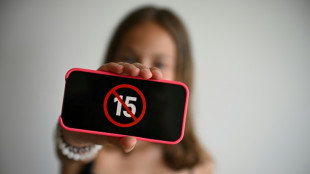
French lawmakers on Tuesday were set to approve a bill banning social media access for children under 15, putting France at the forefront of such efforts in the European Union.
The draft law is expected to be adopted by the Senate and National Assembly, barring any surprises. It would pave the way for France to join the growing ranks of countries taking steps to restrict social media access amid multiplying warnings over its harmful affects on children.
"France will become the first country in Europe to introduce a digital age limit to better protect our children online," French Digital Minister Anne Le Henanff said on X on Monday after parliamentarians reached an agreement on the bill's text.
President Emmanuel Macron has championed the law as a flagship reform of his final term in office and pledged to enforce it by September.
The ban would be rolled out in two stages, with under-15s blocked from creating new accounts from September 1. The ban would apply to existing accounts from January 2027, according to the text.
Le Henanff said ahead of the vote the timeline was realistic, "because age-verification tools already exist" with others still in the works, and the onus was on the platforms to impose the rule.
She also made assurances that users' personal data would be protected.
September enforcement would also mean an element of the bill -- a mobile phone ban in high schools -- would be in place by the beginning of the French school year.
- 'Largely ready' -
France's public health watchdog last year said platforms such as TikTok, Snapchat and Instagram were detrimental to adolescents, particularly girls, though it was not the sole reason for their declining mental health.
Lawmakers agreed on the need for regulation but the two chambers had disagreed on the approach.
French Senators had opted for a two-tier system distinguishing between blacklisted platforms flagged as harmful to a child's development, and those that could still be accessed with parental consent.
But the lower house's blanket ban prevailed and was expected to pass, despite criticism from some on the left over the age verification process, the speed of its implementation and risks of circumvention as well as privacy concerns.
Exceptions to the ban are provided for sites such as online encyclopaedias and educational platforms and the text does not provide for any penalties for children or parents.
"The major platforms are, in my view, largely ready," lawmaker Laure Miller told AFP.
- Watched in Europe -
The blacklisting system would have taken more time, including fresh consultations with the European Commission on the criteria, and carried a "small risk" of non-compliance with European law, said centrist senator Catherine Morin-Desailly, in charge of the bill in the upper house.
The EU itself has been mulling a social media ban after a push by member states, including France, Greece and Spain, for limiting access.
Last week, EU chief Ursula von der Leyen said children should have "phased and gradual access" to social media.
The European Commission has also unveiled an age verification app that EU member states, including France, have begun testing in recent months.
After Macron's government suspended a flagship pensions reform last year, a social media ban could be his last major domestic change before he steps down next year.
France will be closely watched by other European countries considering similar legislation if it joins the ranks of 20 countries worldwide to have proposed or introduced such measures.
In December last year, Australia became the first country in the world to require TikTok, YouTube, Snapchat and other top sites to remove accounts held by under-16s, or to face heavy fines.
burs-sw/as/rmb
T.Gil--SG